Training in pregnancy and after your baby: what's safe and where we start
By David Thornhill
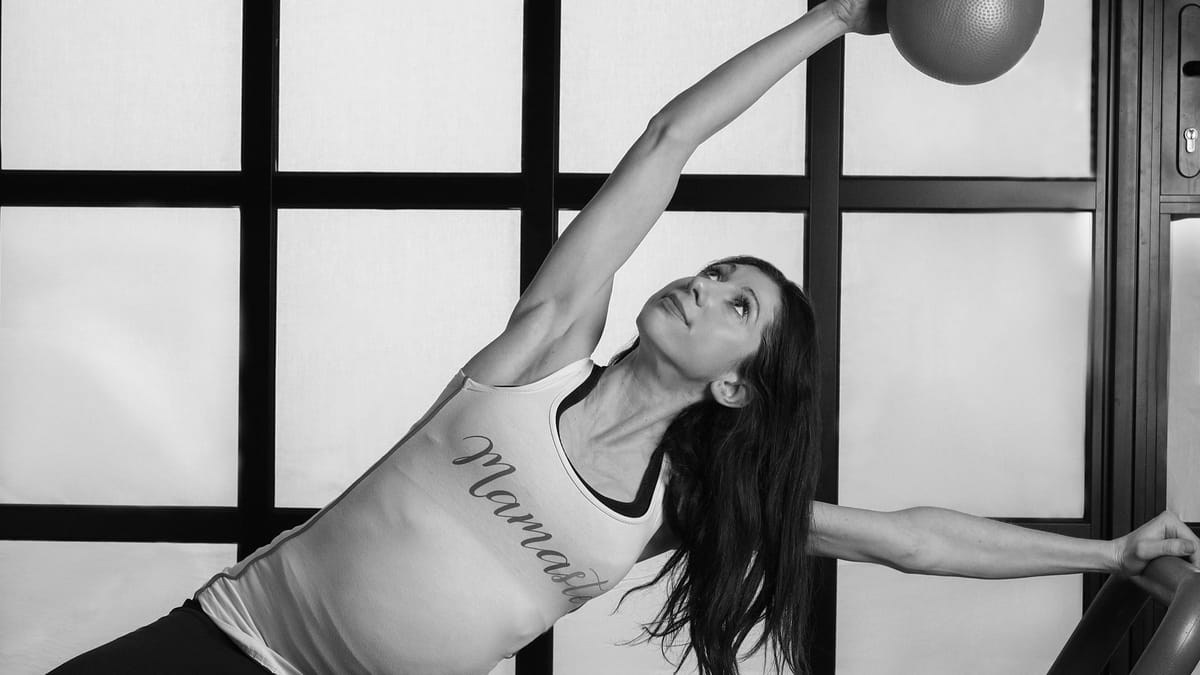
Pregnant and not sure what's safe to train? You're not alone. Most women I speak to get mixed advice: keep going, stop everything, never lift. The truth sits in the middle, and it starts with one conversation with your doctor or midwife.
Here's what the guidelines say, what we change at each stage, and how we start again after your baby arrives.
First, check with your doctor or midwife
Every pregnancy is different. Some conditions mean exercise needs limits, and only someone who knows your history can say that. So before you start, or carry on, check with your doctor or midwife.
If they've given you limits, those come first. Everything below works around them, never instead of them.
Why staying active helps
For most healthy pregnancies, moving regularly is good for you and your baby. The World Health Organization links regular activity in pregnancy with a lower risk of pre-eclampsia, high blood pressure in pregnancy and gestational diabetes (WHO fact sheet on physical activity).
The same fact sheet lists fewer delivery complications and less postpartum depression. It also says activity has no bad effect on birthweight.
The WHO's 2020 guidelines suggest pregnant and postpartum women without complications aim for at least 150 minutes of moderate activity a week, with some strength work and gentle stretching (WHO guidelines, 2020). That's about 30 minutes, five days a week.
If you're new to exercise, start slowly
Pregnancy isn't the time to take up something hard and new. The NHS says if you're already active, it's usually fine to keep doing what you do, and if you're not, start with around 10 minutes a day and build up (NHS, exercise in pregnancy).
That's how we work too. Your body is already doing a lot, so the goal is to feel good and stay strong, not to set records.
What we leave out while you're pregnant
Some moves put pressure on your tummy and pelvic floor, or raise the risk of a fall. So in pregnancy our program swaps out:
- Jumping and impact work
- Crunches and sit-ups, which bend the spine and load the tummy
- Full planks
- Deep twists and anything upside down
- Jumping, travelling and sideways lunges, and moves that balance on one leg
Each one is replaced with a safer version that works the same muscles. You still train properly, just without the risky parts.
The NHS also says to avoid sports where you could fall or get bumped on the tummy, like hockey, rugby or mountain biking.
From 12 weeks: nothing flat on your back
The NHS advises avoiding lying flat on your back for more than a few minutes in later pregnancy, because it can make you dizzy and isn't good for your baby. We're cautious on purpose, so we take it out from 12 weeks.
That means no floor bench press, floor glute bridges or lying leg curls. You'd do an incline press or a seated leg curl instead. If you haven't told us your due date, we use these stricter rules from day one.
From 28 weeks: a little less, a little gentler
In the third trimester, we take one working set off each main exercise and swap hard conditioning blocks for a 10-minute walk. We also drop the all-out pushes, like going for a new personal best.
The reason is simple. Your body has more to carry and needs more recovery. Lighter, steadier sessions keep you moving without wearing you out.
Stop signs: when to stop straight away
Stop and call your doctor or midwife straight away if you have bleeding, dizziness, chest pain, fluid leaking, or your baby moving less than usual.
The NHS adds: stop if you feel uncomfortable, too hot or unwell, and don't exercise on an empty stomach, because you could feel faint.
After your baby: rest first, then rebuild
Your body has just done something amazing, and it needs time. The NHS says gentle exercise like walking, stretching and pelvic floor exercises can start when you feel up to it (NHS, keeping fit with a baby).
For anything more, the NHS suggests getting advice at your postnatal check first. That check usually happens 6 to 8 weeks after the birth (NHS, your 6-week postnatal check).
So our program waits. It opens 6 weeks after your baby's birth, or 8 weeks after a C-section, because recovery from a caesarean takes longer. Until then, gentle walks are plenty.
Your pelvic floor and tummy come first
Pregnancy stretches your tummy muscles and loads your pelvic floor. Jumping, crunches and full planks can make that worse if they come back too soon.
So we leave those out until your doctor or physio has checked your pelvic floor and tummy muscles. Once they have, the moves come back slowly.
We also hold back our Couch to 5K running plan until your first year is done, or later while you're breastfeeding.
Eating: fuel, not a diet
While you're pregnant or breastfeeding, your plan never goes into a calorie deficit. Your body needs that food, and so does your baby. If you're breastfeeding, the plan adds a little extra.
The NHS says moderate exercise, like a brisk 30-minute walk, won't affect the quality or amount of your breast milk.
If you're not breastfeeding, there's still no deficit before 6 weeks (8 after a C-section), and only a gentle one until 12 weeks. Rest and recovery matter more than the scale right now.
Food we leave off the plan in pregnancy
While you're pregnant, our meal plans leave out foods your midwife will usually tell you to avoid. That includes sushi and raw fish, smoked salmon, liver and pâté, soft cheeses like brie, camembert and blue cheese, and dried meats like biltong and droëwors.
Your own doctor's advice comes first. If they've told you to avoid something else, leave it out too.
How the app handles all of this
When you sign up, you tell us if you're pregnant, have had a baby in the last year, or are breastfeeding. Before your program opens, you confirm your doctor or midwife has cleared you to exercise, and that you've read the stop signs.
From there, the swaps happen by themselves as your weeks change. You don't have to remember what to leave out. After your baby, your program opens on its own on the right date, and your meal plan is ready straight away.
Where we start
If you'd like a plan that knows what stage you're at, that's what Boost Go is for: my personal training app, with sessions at home or in the gym and a short video for every exercise.
Your meal plan is built around food you already eat. Try it free for 7 days. Cancel any time.
And if you have questions first, message me on WhatsApp on 079 162 9028.
David Thornhill, Boost Fitness, Woodstock, Cape Town
Ready for a plan built around you?
Start my 7 day free trialOn Boost Go. 7 days free, cancel any time.
David Thornhill, Boost Fitness Instagram @david.boostfitness