Strength training through menopause: why it matters and how to start
By David Thornhill Updated
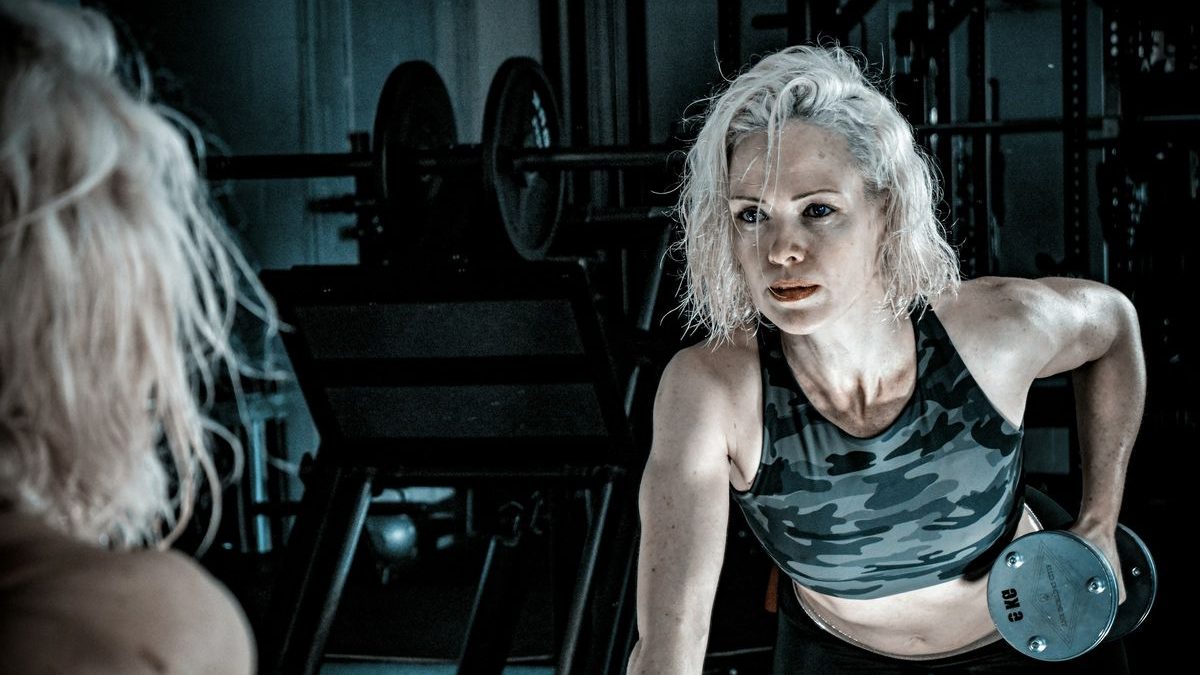
Let's talk about something I see a lot in the gym. Women in their forties and fifties tell me their body has changed the rules. The weight sits differently, sleep is patchy, joints ache, and the training that used to work doesn't seem to anymore. None of that is in your head. But there is one thing that helps with a lot of it, and it isn't more cardio. It's getting stronger.
What's actually changing
Menopause is the point when your periods have stopped for twelve months, usually somewhere between 45 and 55. The years before it, perimenopause, can last several years, and that's when many of the changes start.
As oestrogen drops, a few things speed up:
- Muscle loss. We all lose muscle slowly from around 30 if we don't train it, about 3 to 5% per decade according to the US Office on Women's Health (womenshealth.gov). Around menopause that loss tends to pick up.
- Bone loss. Oestrogen helps protect bone. When it falls, bone thins faster, especially in the first few years after menopause. That's why osteoporosis is so much more common in older women.
- Fat moves to the middle. Many women notice more weight around the stomach, even when they're eating the same.
- Sleep, mood and energy. Hot flushes, night sweats and broken sleep make everything else harder, including sticking to exercise.
If any of your symptoms worry you, speak to your doctor. Training doesn't replace medical advice. It works alongside it.
Why strength training helps
Muscle and bone both respond to load. When you lift something heavy enough to challenge you, your body adapts by building muscle and, over time, strengthening bone.
This isn't just theory. In the LIFTMOR trial, postmenopausal women with low bone mass did supervised heavy strength training twice a week for eight months, and their spine bone density improved and the training was well tolerated (Watson et al., Journal of Bone and Mineral Research, 2018). It was a small study and the training was supervised and built up carefully, but it showed something important: done properly, lifting is safe and useful for women at this stage of life.
Other reasons it's worth it:
- More muscle helps keep weight steady. It won't undo hormones, but it gives your body more to work with.
- Stronger legs and better balance mean fewer falls later on.
- Many women find they sleep and feel better when they train regularly.
- Everyday life gets easier. Carrying shopping, getting off the floor, lifting a grandchild.
The World Health Organization recommends muscle-strengthening work on at least two days a week for adults, plus balance work as we get older (WHO guidelines on physical activity, 2020).
How to start (without overdoing it)
You don't need to train like an athlete. You need to train consistently and build up slowly.
- Two to three sessions a week, 45 to 60 minutes, with a rest day in between.
- A longer warm-up, 8 to 10 minutes. Joints often need more time to get going.
- Cover the big movements: a squat or leg press, a hinge like a deadlift or hip thrust, a push (press-ups or a chest press), a pull (rows), and a carry (walk holding a weight in each hand).
- Most sets in the 6 to 12 rep range, stopping 1 to 3 reps before you can't do another. It should feel hard by the last few reps, never painful.
- Add weight slowly. When a set feels easy, go up a little next time.
- Eat enough protein. Spread it across your meals: eggs, yoghurt, chicken, fish, beans and lentils all count.
Start lighter than you think you need to. The first month is about learning the movements well. Strength comes quickly after that.
You don't have to figure it out alone
If you'd like someone to show you how to do this safely, that's exactly what I do at Boost Fitness Gym in Woodstock, one-on-one or in a small group. Message me on WhatsApp to book.
And if you'd rather train on your own time, Boost Go gives you a program built around your goal, with every exercise explained.
Ready for a plan built around you?
Start my 7 day free trialOn Boost Go. 7 days free, cancel any time.
David Thornhill, Boost Fitness Instagram @david.boostfitness